
How Long Does an Eviction Stay on Your Record in Phoenix? Know Your Rights
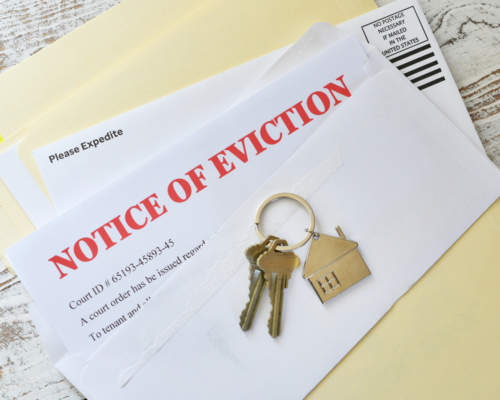
An eviction can have serious financial consequences, impacting your ability to find housing, damaging your credit score and affecting tenant screening reports.
Cy Hainey is an experienced Phoenix bankruptcy lawyer. At Hilltop Law Firm, we can help you dispute or remove outdated or incorrect eviction records in Arizona.
How Long Does an Eviction Stay on Your Record in Phoenix?
In Arizona, evictions can appear in multiple places: your court record, your tenant screening eviction report, and potentially on your credit report if a judgment for money owed was issued. Each of these records has different timelines and reporting practices.
Eviction Court Records
An eviction filed in court becomes part of your eviction public record in Arizona, whether or not you were found at fault. These public records typically remain visible for seven years. This record is accessible to landlords and tenant screening agencies unless legally sealed or expunged.
Credit Reports
If the eviction involved unpaid rent and the landlord received a monetary judgment, that judgment may appear on your eviction and credit report. Judgments and collection accounts also typically stay on your credit report for seven years, impacting your creditworthiness during that time.
Tenant Screening Reports
Tenant screening companies may compile data from both court records and credit bureaus. This means a past eviction could resurface even after it’s been resolved or paid. Some screening agencies may include evictions older than seven years, which may be violate federal laws.
How Evictions Affect Your Ability to Rent Property in Phoenix
An eviction on your record can make it significantly harder to secure rental housing in Phoenix. Most landlords rely on third-party tenant screening eviction reports, which flag applicants with any past evictions or unpaid rental judgments.
Potential consequences include:
- Automatic denial of rental applications
- Higher security deposits
- Co-signer or guarantor requirements
- Rejection from certain apartment complexes with strict policies
The good news? You have rights under both Arizona eviction laws and federal reporting laws, and there are steps you can take to fix inaccurate or outdated information.
Can You Remove an Eviction from Your Record in AZ?
Yes, in some cases, there are ways that you may be able to remove an eviction from your record.
Dispute Inaccurate Records
If the eviction was reported in error, resolved without a judgment, or inaccurately described, you have the right to dispute it.
- File a dispute with the tenant screening company or credit bureau
- Provide documentation (e.g., proof of payment, court documents, settlement agreements)
- Agencies must investigate and respond within 30 days
If they fail to remove inaccurate information, legal action may be warranted.
Seal the Eviction Record
Under certain circumstances, you may request the court to seal your eviction case. That means it is no longer visible in public records or accessible to screening agencies. While Arizona does not have a broad automatic expungement law for evictions, sealing may be granted if:
- The eviction case was dismissed or resolved in your favor
- The eviction occurred many years ago and no longer reflects your current situation
- You were the victim of domestic violence or other protected hardship circumstances
Hilltop Law Firm can help you assess whether your case qualifies and prepare the necessary legal filings.
Resolve Judgments and Debts
If a landlord obtained a judgment for unpaid rent, paying off or settling the debt can help reduce the long-term impact, even if the entry remains on your record. Once paid, the creditor must update the record as “satisfied” or “paid in full.”
While this won’t erase the judgment, it can improve your standing with future landlords.
How to Check for an Eviction on Your Record
If you’re unsure whether an eviction appears on your record, here’s how to find out:
- Review Your Court Records
Check online court records at Arizona’s Public Access Case Lookup to see if an eviction filing exists under your name.
- Request Your Tenant Screening Report
You’re entitled to one free tenant screening report every 12 months from the agencies that maintain them. Some common ones include:
- CoreLogic Rental Property Solutions
- TransUnion SmartMove
- Experian RentBureau
- Review Your Credit Reports
Visit AnnualCreditReport.com to access your reports from Equifax, Experian, and TransUnion. Look for:
- Public records (judgments)
- Collections from landlords or property managers
If you find incorrect information, take immediate steps to dispute it.
Eliminating Eviction Debt Through Bankruptcy
If you owe past-due rent or a court judgment to your former landlord, filing for Chapter 7 bankruptcy can discharge (wipe out) that debt. This removes the legal obligation to pay and can stop collection actions like wage garnishment or lawsuits.
- Chapter 7: Most effective if you have low income and need a quick discharge of unsecured debts like rent.
- Chapter 13: Lets you repay part of the rental debt over time, which may be helpful if you want to stay in the property if eviction hasn’t been finalized.
Stop Collection Calls and Lawsuits
Once you file bankruptcy, the automatic stay goes into effect. This is a legal order that stops creditors from contacting you or pursuing payment.
- If your landlord obtained a judgment against you, bankruptcy can halt any attempts to collect.
- If your eviction case is still open, timing is key. Bankruptcy might pause proceedings temporarily, but won’t reverse a completed eviction.
Improve Your Financial Profile Over Time
While bankruptcy appears on your credit report, it also clears away debt that may be dragging your score down, including rental judgments and collections. This gives you a clean financial slate to rebuild credit and improve your chances of renting again in the future.
Help With Future Housing Applications
Some landlords are more willing to rent to tenants who’ve discharged past rental debt through bankruptcy than those who still owe active judgments. Bankruptcy shows that you’ve addressed the issue and taken legal steps to recover.
Speak With an Experienced Bankruptcy Attorney in Phoenix
If you are being hounded by debt collectors, or if you are facing eviction, Chapter 7 or Chapter 13 could be the right solution for you.
At Hilltop Law Firm we offer a free consultation, and our legal team knows how to communicate in English, Spanish, and French. We can also arrange convenient Zoom meetings.
Call (602) 466-9631 to learn more today.