
I Received a Notice About Unclaimed Bankruptcy Funds—What Should I Do?
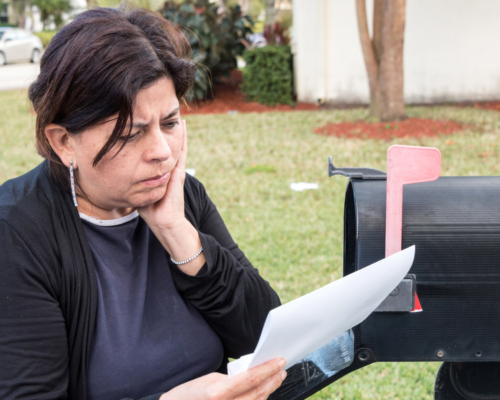
Receiving an unclaimed bankruptcy funds notice can be confusing. The notice may say that a bankruptcy court is holding money connected to you, a former business, a deceased relative, or an old creditor account. The funds may be legitimate, but the person contacting you may not necessarily be someone you should trust.
Unclaimed bankruptcy funds are money deposited with a bankruptcy court after the person or entity entitled to a distribution did not receive or cash the payment. In Arizona, this can happen when a trustee’s check is returned as undeliverable or remains uncashed. The court then holds the money until someone establishes a legal right to receive it.
Before sending identification, paying anyone, or signing a recovery agreement, independently verify the bankruptcy case and the funds.
Do Not Ignore the Notice, But Do Not Respond Immediately
A bankruptcy funds letter or email could identify real money, so throwing it away without investigating may mean overlooking funds to which you are entitled. At the same time, responding immediately can expose sensitive information before you know who contacted you.
Preserve the original envelope, letter, email, voicemail, telephone number, website address, and any bankruptcy case information included in the communication.
Until you independently verify bankruptcy unclaimed funds, do not provide your Social Security number, banking credentials, copies of identification, debit or credit card information, electronic payments, or signed assignments.
This is especially important in Arizona. On February 6, 2026, the U.S. Bankruptcy Court for the District of Arizona warned residents about fraudulent callers impersonating the Bankruptcy Court. The court specifically reported demands involving Zelle, Venmo, and prepaid cards and cautioned that scammers may use real addresses, judges’ names, trustees’ names, or spoofed government telephone numbers. The court states that it does not demand payment over the telephone and that official court correspondence is sent by mail.
Who Sent the Notice?
Determining the sender is one of your first steps.
A notice could come from the bankruptcy court, a bankruptcy trustee, a former creditor, a law firm, an asset-recovery company, a bankruptcy locator company, or a scammer posing as one of those organizations.
Importantly, a private locator company can identify genuine court-held funds without being affiliated with the bankruptcy court. In other words, the fact that the case number and dollar amount are accurate does not automatically establish that the company contacting you is connected to the government.
Do not rely solely on telephone numbers, websites, or instructions contained in the notice itself. Verify the information independently.
How Can I Verify the Bankruptcy Case?
Start with the information provided in the notice, but confirm each important detail through independent court records.
Check the bankruptcy case number, debtor’s name, court district, listed claimant or payee, amount deposited, and relevant docket entries.
The U.S. Bankruptcy Court for the District of Arizona provides access to an Unclaimed Funds Locator and a Financial Help Line for checking balances. However, the court specifically cautions that the locator database is not the official court record. It recommends reviewing the docket entries concerning the deposit in the particular bankruptcy case.
PACER, the federal judiciary’s electronic public-access system, can also provide bankruptcy case and docket information.
An Arizona unclaimed funds lawyer can review those records when the claimant’s identity, ownership history, or entitlement to the payment is unclear. An Arizona unclaimed funds attorney may also help distinguish a legitimate recovery opportunity from a questionable solicitation.
What Are Warning Signs That an Unclaimed Funds Notice May Be a Scam?
Be especially cautious if the sender requests:
- Gift cards, Zelle, Venmo, cryptocurrency, or similar immediate payments
- An upfront “release” or “processing” fee
- Immediate action or secrecy
- Personal or financial information before providing a case number
- Payment to avoid arrest, fines, or legal consequences
- Clicking links to unfamiliar, non-government websites
- Payment because the caller supposedly works for a judge or court
- Banking or card information over the telephone
The FTC warned in March 2026 that unexpected calls or texts promising unclaimed funds may be phishing attempts. Requests for personal information, upfront processing fees, or immediate action are major warning signs.
What If a Private Company Wants a Percentage of the Funds?
A locator company’s involvement does not necessarily mean the underlying funds are fake. But you should understand exactly what you are agreeing to before signing anything.
Review the percentage or flat fee, whether the agreement transfers or assigns ownership of your claim, the scope of any power of attorney, cancellation provisions, responsibility for filing expenses, whether legal representation is actually included, and whether you could pursue the claim directly.
The Arizona Bankruptcy Court states that its own unclaimed-funds recovery service has no charge. After entitlement is verified, an approved claimant receives the amount appearing on the court’s list, except for any locator fee the claimant separately agreed to pay.
A notice can therefore point to real funds while still proposing a fee arrangement that deserves careful review.
What Documents Should You Gather?
Before beginning the recovery process, organize documents that may help establish identity and ownership. These may include the notice itself, identification, proof of former addresses, bankruptcy documents, creditor statements, business ownership records, assignment records, and documentation of a legal name change.
More complicated claims may require additional records. Arizona’s current court instructions require evidence establishing the claimant’s identity and entitlement. Successor claimants may need documentation establishing the chain of ownership, while representatives of deceased claimants may need probate documents or other authority to act on behalf of the estate.
When Should a Lawyer Review the Notice?
Legal review can be particularly valuable when the balance is substantial or the legal owner is not obvious.
Consider speaking with a lawyer if the notice involves a deceased relative, a dissolved or successor business, an assigned debt, conflicting claimant names, competing claimants, a requested power of attorney, an ownership transfer, or inconsistent information between the solicitation and the court docket.
Hilltop Law Firm focuses on personal bankruptcy matters, including Chapter 7 and Chapter 13, and offers free consultations. The firm serves clients from offices in Phoenix and Cottonwood and can be reached at (602) 466-9631 in Phoenix or (928) 767-7607 in Cottonwood.
Before sending identification or signing a recovery agreement, ask Hilltop to verify the court record, listed claimant, and legal requirements for recovering the funds.
Frequently Asked Questions
Does the bankruptcy court call people about unclaimed funds?
Do not assume an unexpected call is legitimate. The District of Arizona Bankruptcy Court specifically warned in February 2026 that it does not demand payments by telephone and that official court correspondence comes by mail.
Is it safe to give a locator company my Social Security number?
Do not provide sensitive personal information until you have independently verified the funds, the company, and why the information is required. The FTC warns that requests for personal information can be part of unclaimed-funds phishing scams.
Can a notice identify real funds and still charge an unreasonable fee?
Yes. Real funds and a reasonable service agreement are separate issues. Confirm the court-held amount first, then carefully review any percentage fee, assignment, power of attorney, or cancellation language.
How can I verify an Arizona bankruptcy case number?
Use independent court resources, including the District of Arizona’s case information and federal unclaimed-funds tools. Review the actual docket because the Arizona court cautions that its public locator is not the official record.
What can an Arizona Unclaimed Funds Lawyer do after I receive a notice?
A lawyer can review the bankruptcy docket, determine who appears entitled to the funds, evaluate ownership or successor issues, review locator agreements, and help prepare the documents required to pursue payment when appropriate.